

BY NICKY SCOLTOCK
Where do you turn when the things that usually sustain you feel dry and dull?
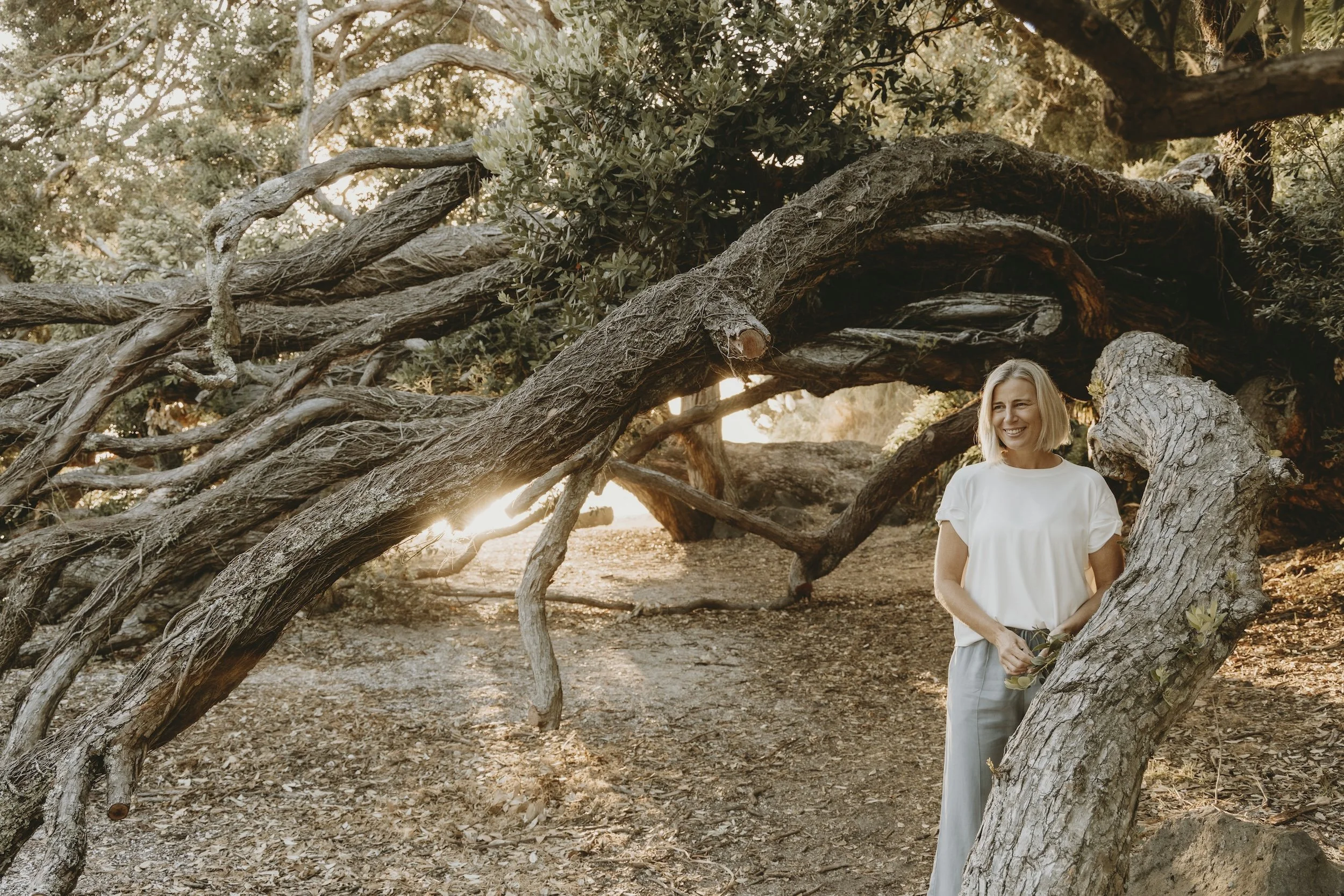
Lately, I’ve been drawing on wisdom from some local friends of mine — Pōhutukawa.
Pohutukawa trees are hardy souls.
They live in coastal areas, exposed to salt spray, strong winds, hot sun, and limited soil.
One way they sustain themselves in these challenging environments is to grow aerial roots; these roots go looking for water and the nutrients they need,
“As well as having knees and elbows, pōhutukawa sometimes also have beards. These are made of aerial roots and can form huge masses hanging from branches. Aerial roots help the trees absorb moisture from the air and collect any rain or condensing mist drips down branches and trunks.”
SOURCE: Pest Free Kaipātiki website.
Grow your aerial roots
While I am not suggesting you grow a beard to cope with dry periods, I wonder where you might develop your own aerial roots to sustain you?
Some of the things you already do may nourish you, if you take the time to ground yourself in what you are doing. At other times, the things that used to sustain us no longer do. They feel dry and dull. Maybe this is an invitation to find new ways to feel alive.
So where might you find nourishment for your soul, mind and body?
Be present in your life
Often, it begins with recognising that ordinary activities can nourish our soul, body and mind when we are truly present to them.
“Don't just go through the motions, daydreaming or lost in an interior dialogue of agendas. ‘Please inhabit your place fully,’ as Jane Hooper delightfully puts it, fully present to what you are doing. This kind of attention is like a brisk northwest wind blowing away the smoggy awareness we usually settle for.”
Cynthia Bourgeault, The Wisdom Way of Knowing
Before beginning an activity, take a few moments to become aware. Ask for God — or love, however you name God — to be present.
Then pay attention to what you need.

Find nourishment for body, mind and soul
Perhaps you need quiet and solitude. This can be as small as finding a sit spot — a place, usually outside or at least with a view outside, where you sit for a few moments each day and notice.
Or simply stand outside in the morning and take a few deep breaths.
Perhaps you need something longer — silence or meditation.
Do you crave creativity in your life? Are there ways you can weave in some time to journal, doodle, knit or bake?
Is it community you desire? Where might you find community in unexpected places? I am no singer, but I have started attending a local waiata group and love the sense of acceptance and community there.
Or does your body simply need rest, sleep, nourishing food, water or exercise?
Do you need to ground yourself in nature and just be?
None of these things need to be complicated. Think of them as aerial roots — small ways of reaching towards what gives you life.
Notice small moments of joy
Etty Hillesum was a Jewish woman who lost her life in the Holocaust. In her diary she describes walking home through the rain, despite the misery surrounding her, and making a small detour to buy herself a large bunch of roses.
She writes that the roses were “just as real as all the misery” she witnessed each day.
Etty Hillesum, An Interrupted Life
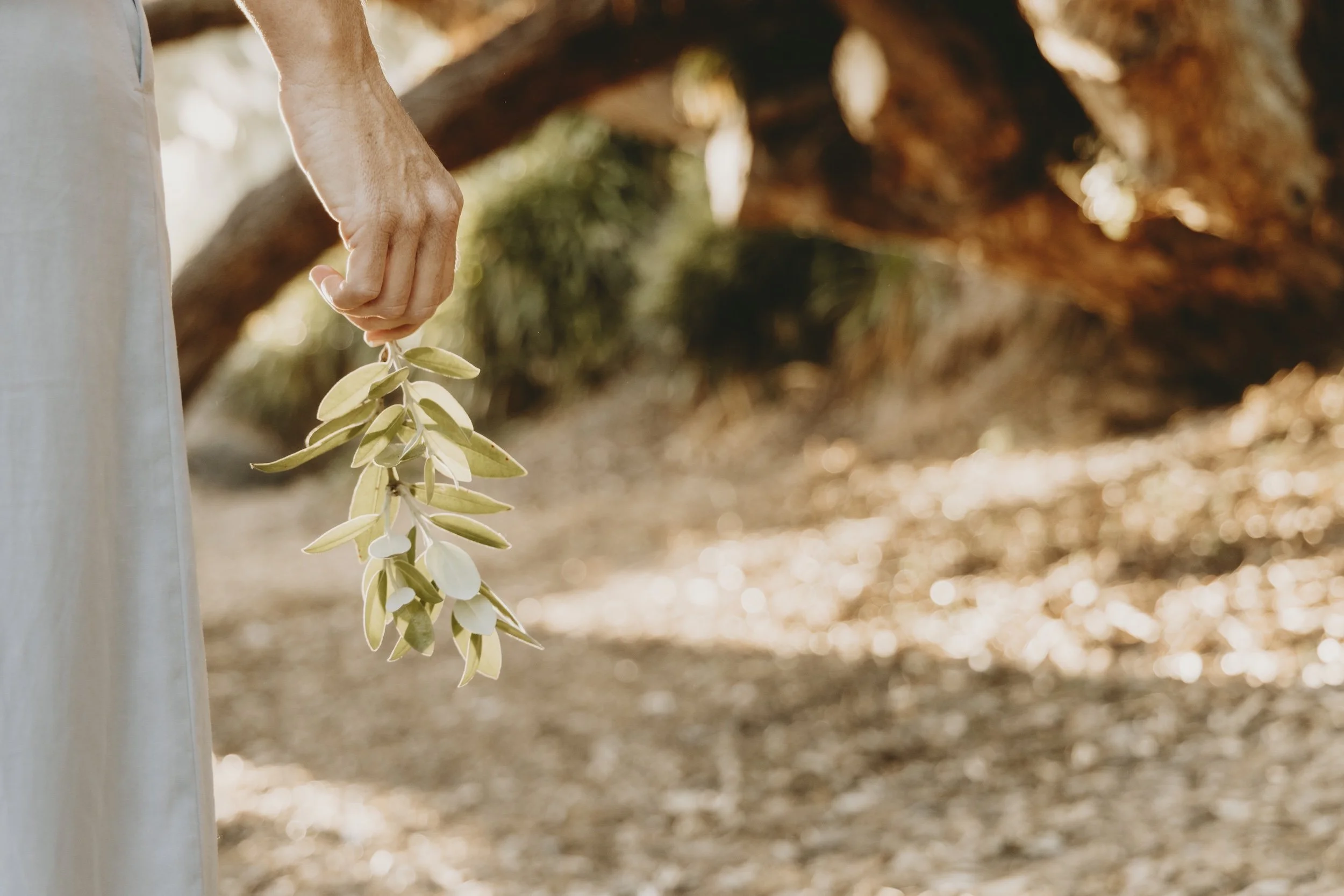
This kind of noticing is something I’ve found a home for in Green Sketching, through the practice of Joy Spotting — letting nature catch your eye and delight you.
Harakeke. Tūī. Golden flowers. Tiny shells.
The more you notice, the more there is to notice.
For me, this practice is a reminder that there is goodness in the world. Perhaps this is another way of growing our aerial roots — noticing what nourishes us and reaching towards what gives us life.
Remember to be present in your own life and look for small, simple ways to nourish your body, mind and soul.
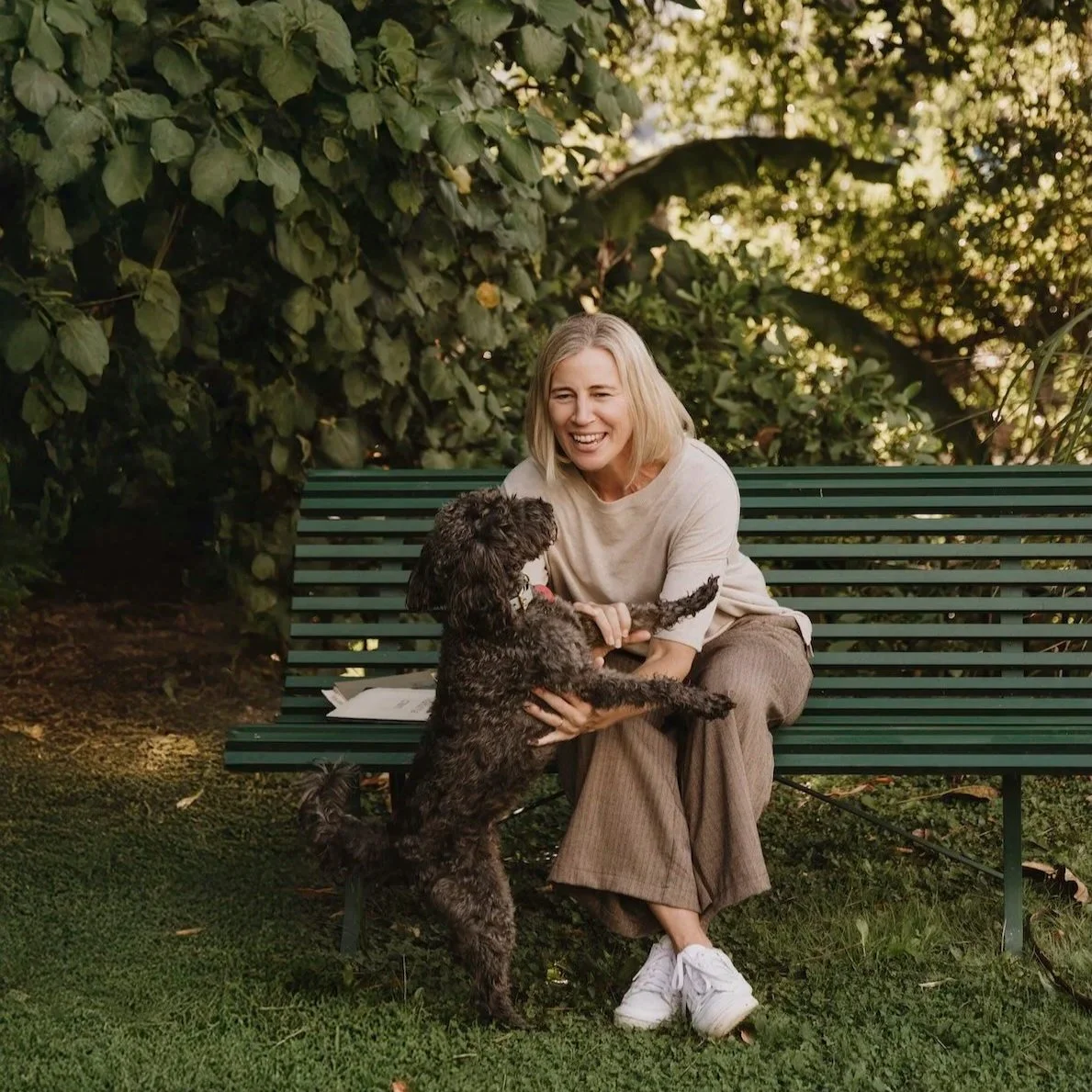
Nicky Scoltock is a contemplative artist, Green Sketching guide and Soul Companion living in Tāmaki Makaurau Auckland. Inspired by a deep connection with the Sacred Wild, she explores creativity, grounded spirituality and our relationship with the natural world. You’ll often find her wandering the shorelines and bush trails near home with Asha, her trusty walking companion — or back in the studio making art, with good coffee and her Mary Oliver poetry book close by.